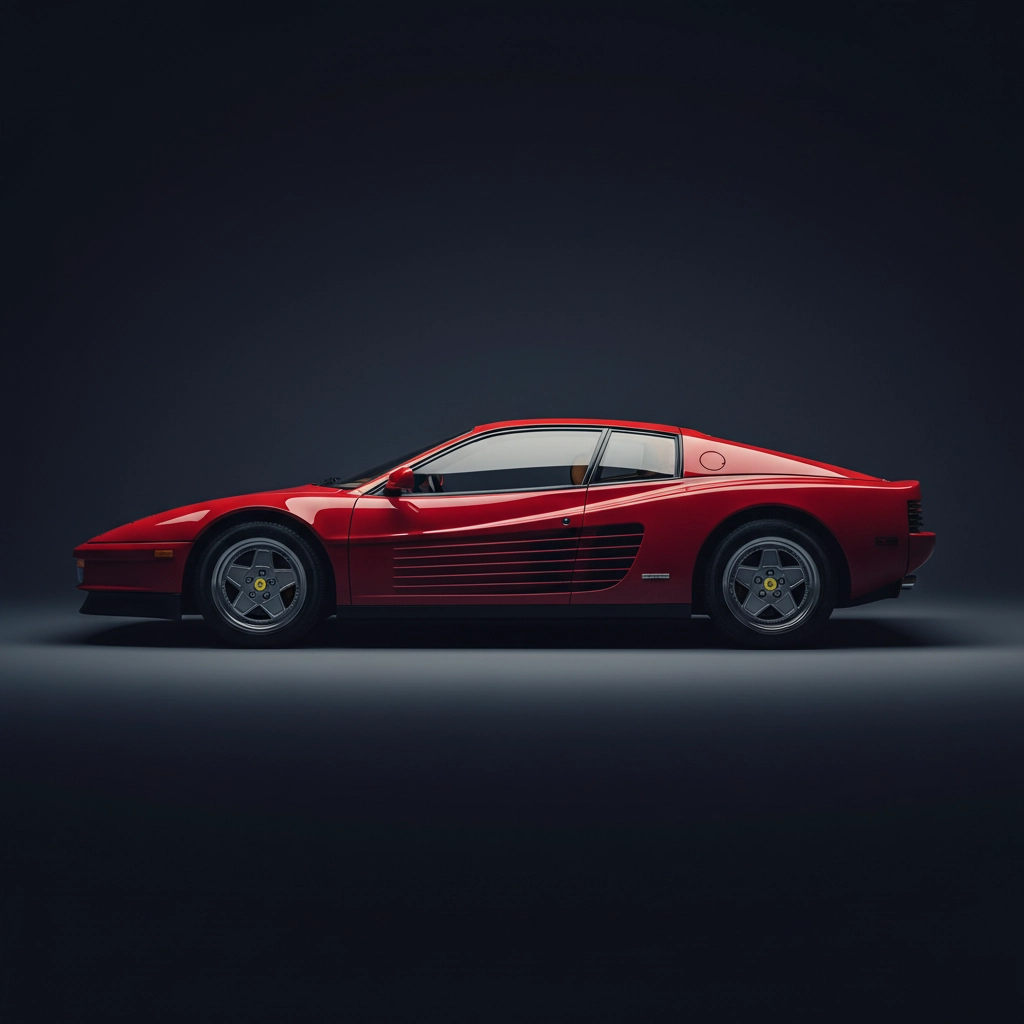
The world of luxury automotive has always moved in cycles, but right now we're witnessing something special: classic supercars are experiencing an unprecedented resurgence among sports professionals. From Premier League footballers to Formula 1 drivers, athletes are increasingly turning their attention: and their considerable earnings: toward automotive legends from decades past.
This isn't just a fleeting trend. There are compelling reasons why today's sports stars are choosing to invest in classic Ferraris, vintage Lamborghinis, and iconic Porsches over the latest releases. Let's explore what's driving this fascinating shift in the luxury car market.
For sports professionals, career longevity isn't guaranteed. A footballer's prime years might span a decade, while other athletes face even shorter windows of peak earning potential. This reality has made many sports stars incredibly savvy about diversifying their investments beyond traditional stocks and property.
Classic supercars have proven themselves as legitimate alternative investments. Over the past decade, iconic models like the Ferrari F40, Lamborghini Countach, and Porsche 911 Turbo have seen their values appreciate significantly. Unlike modern supercars that depreciate the moment they leave the showroom, well-maintained classics from respected marques have shown remarkable resilience and growth.
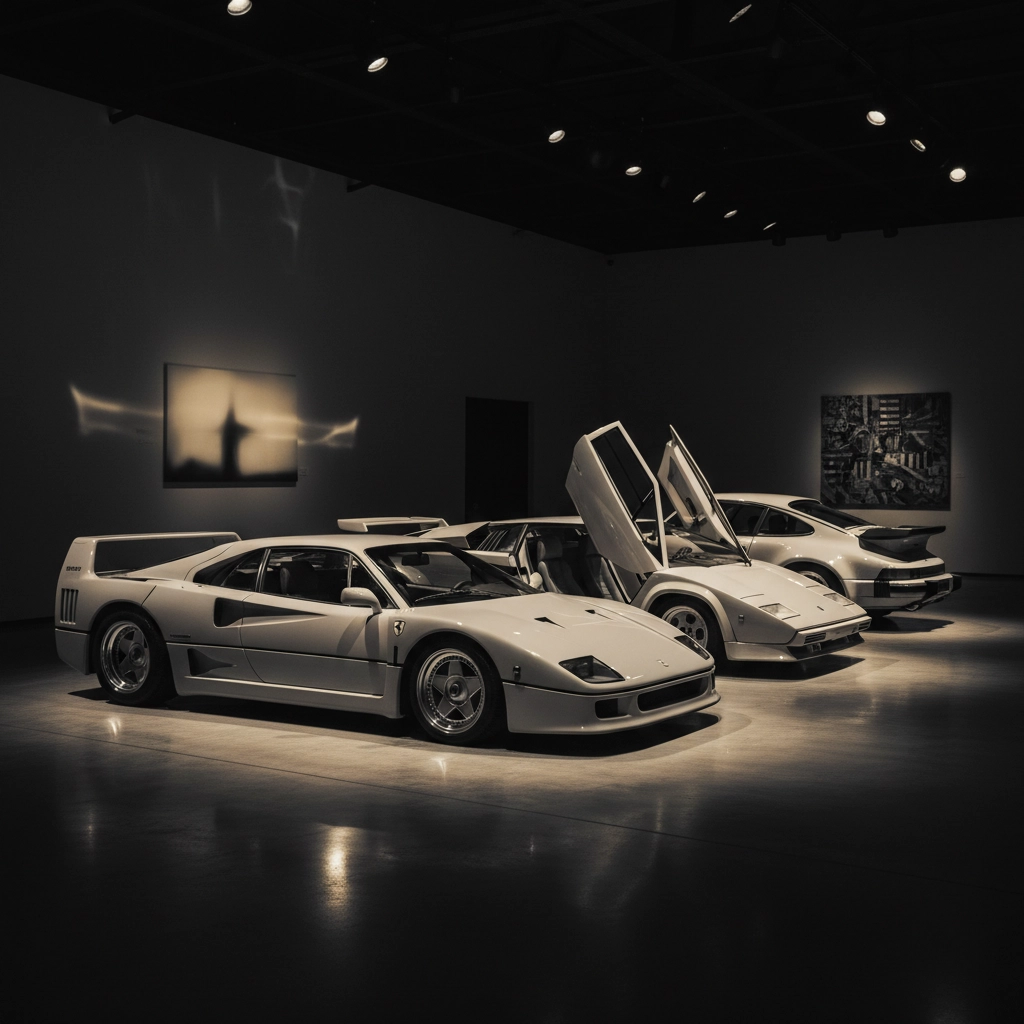
The numbers speak for themselves. Certain classic Ferraris have outperformed traditional investment vehicles, with some models seeing 300-400% appreciation over the past fifteen years. For a professional athlete with substantial disposable income, these aren't just cars: they're appreciating assets that can be enjoyed while they grow in value.
Modern supercars, while technically superior, often lack the character and exclusivity that defined their predecessors. When you see a new Ferrari or Lamborghini on the street, it's impressive but not necessarily rare. Classic supercars, however, carry genuine scarcity value and historical significance.
For sports professionals who are already in the public eye, driving a meticulously maintained 1980s Ferrari Testarossa or a pristine Lamborghini Miura sends a different message than arriving in the latest hypercar. It suggests someone who appreciates automotive heritage, understands true rarity, and has the confidence to choose substance over flash.
This exclusivity factor has created what experts describe as "a ticket into a range of exclusive social occasions." Classic car events like the Goodwood Revival, Pebble Beach Concours d'Elegance, and various rally events have become social hubs for successful individuals across industries, including sports.
One of the most exciting developments in the classic supercar world is the restomod movement: taking classic vehicles and upgrading them with modern technology while preserving their original character. For sports professionals, this offers the perfect compromise between nostalgia and practicality.
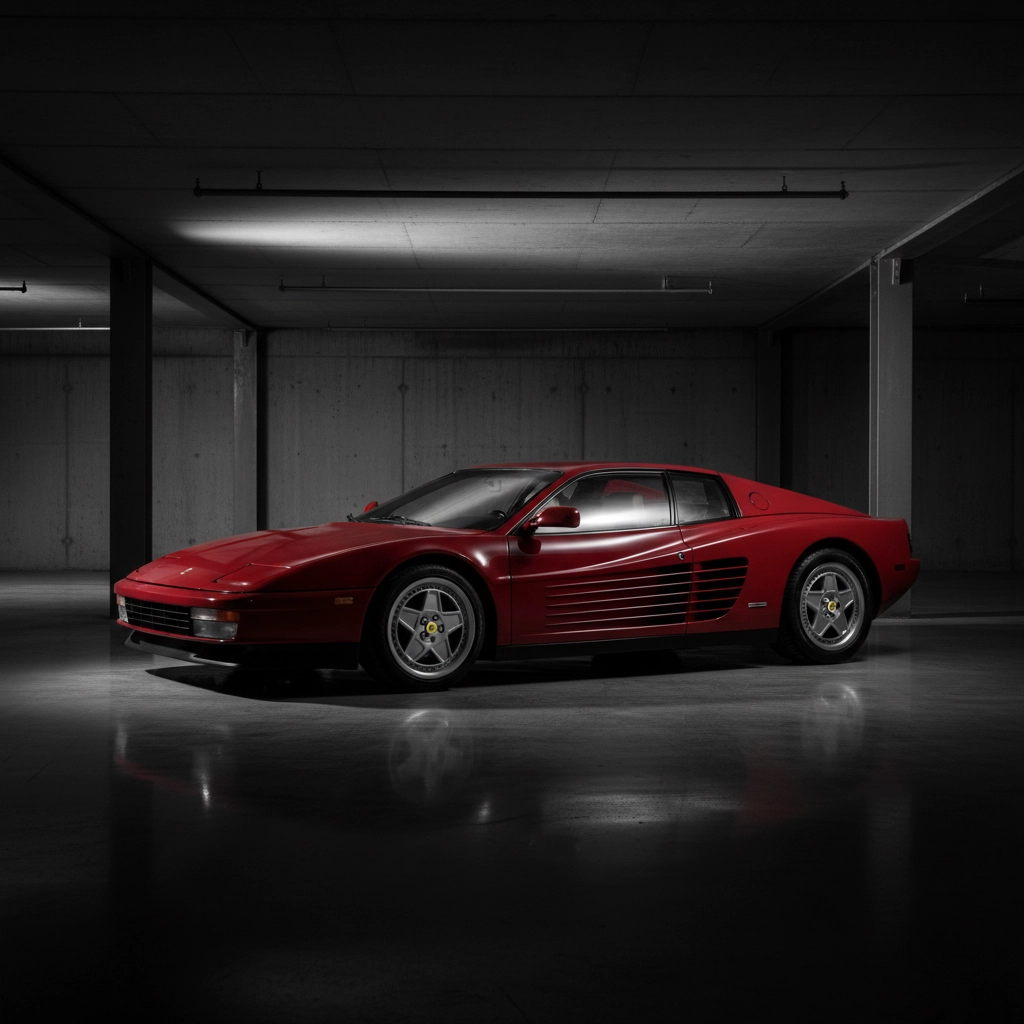
Companies are now offering classic supercars converted to electric power, combining the iconic looks and feel of vintage machines with the reliability and environmental consciousness that modern life demands. A classic Porsche 911 with electric power still looks and feels like the original but offers instant torque delivery, minimal maintenance requirements, and zero emissions.
This trend addresses one of the main concerns sports professionals have about classic cars: reliability. While a original 1970s Lamborghini might leave you stranded, a carefully restored version with modern mechanicals gives you the best of both worlds.
Sports professionals understand better than most the value of being part of an exclusive community. Classic supercar ownership provides access to a global network of collectors, enthusiasts, and fellow high-achievers that extends far beyond the sporting world.
These communities organize driving tours, track days, and social events that create genuine connections. For athletes who often find their social circles dominated by their sport, classic car events offer opportunities to interact with successful individuals from diverse backgrounds: business leaders, entertainers, and fellow collectors who share a passion for automotive excellence.
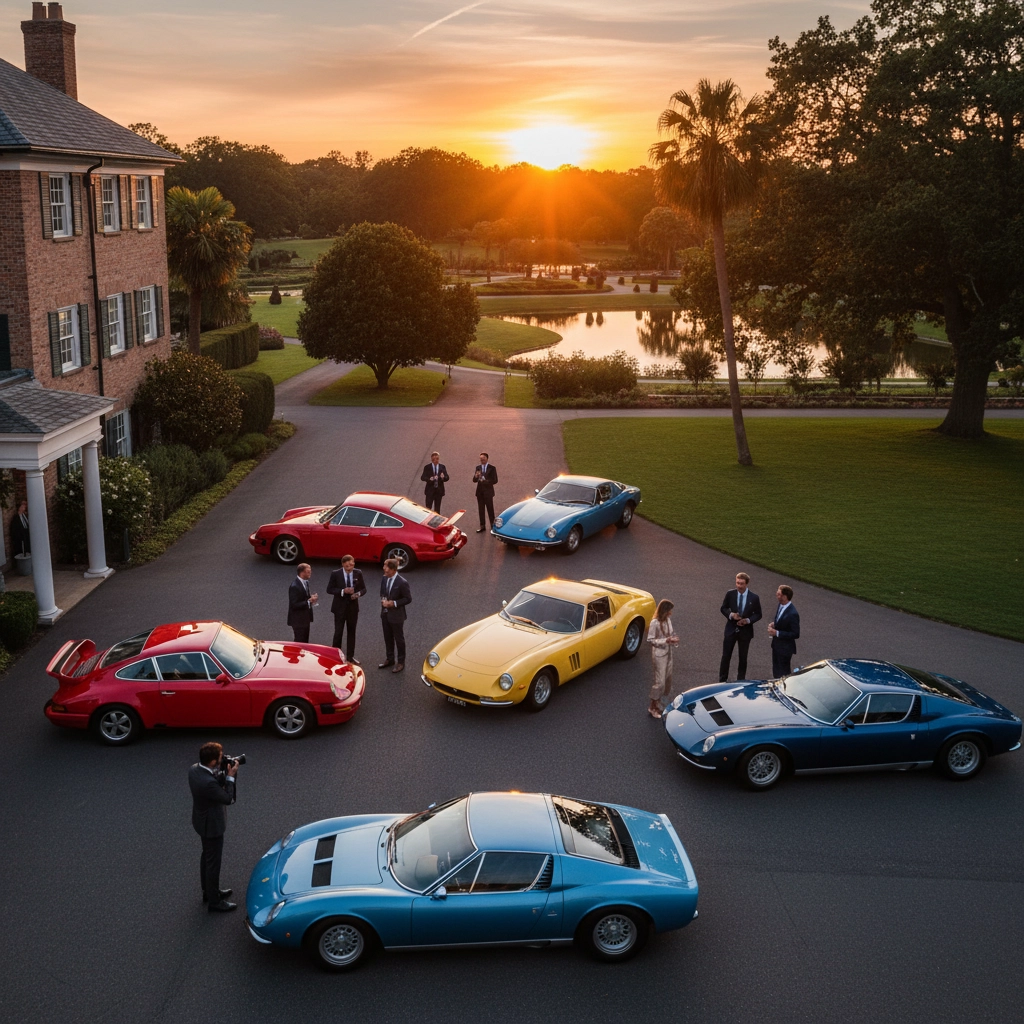
The cultural capital that comes with understanding classic supercars shouldn't be underestimated. Being able to discuss the nuances of a Jaguar E-Type's Series 1 versus Series 3, or appreciating why the Ferrari 250 GTO is considered the holy grail of collectors, opens doors and creates connections that can last long after an athletic career ends.
Modern supercars are undeniably faster and more capable than their classic counterparts, but they often feel disconnected from the driving experience. Computer-controlled everything, while impressive, can feel sterile compared to the raw, mechanical connection offered by classic machines.
Sports professionals, who spend their careers pursuing authentic experiences and genuine achievement, often find this mechanical purity appealing. There's something satisfying about a car where you can feel every component working, where the steering wheel provides direct feedback from the road, and where the engine note changes based on your throttle input rather than artificial sound enhancement.
This authenticity extends beyond the driving experience to ownership itself. Classic supercars require knowledge, care, and attention: qualities that many athletes appreciate after spending careers focused on continuous improvement and attention to detail.
From a practical standpoint, classic supercars offer several advantages for sports professionals. They're often more exclusive than modern alternatives, meaning fewer people will have the same vehicle. They typically hold their value better than contemporary cars, and they provide legitimate tax benefits in many jurisdictions when properly documented and maintained.
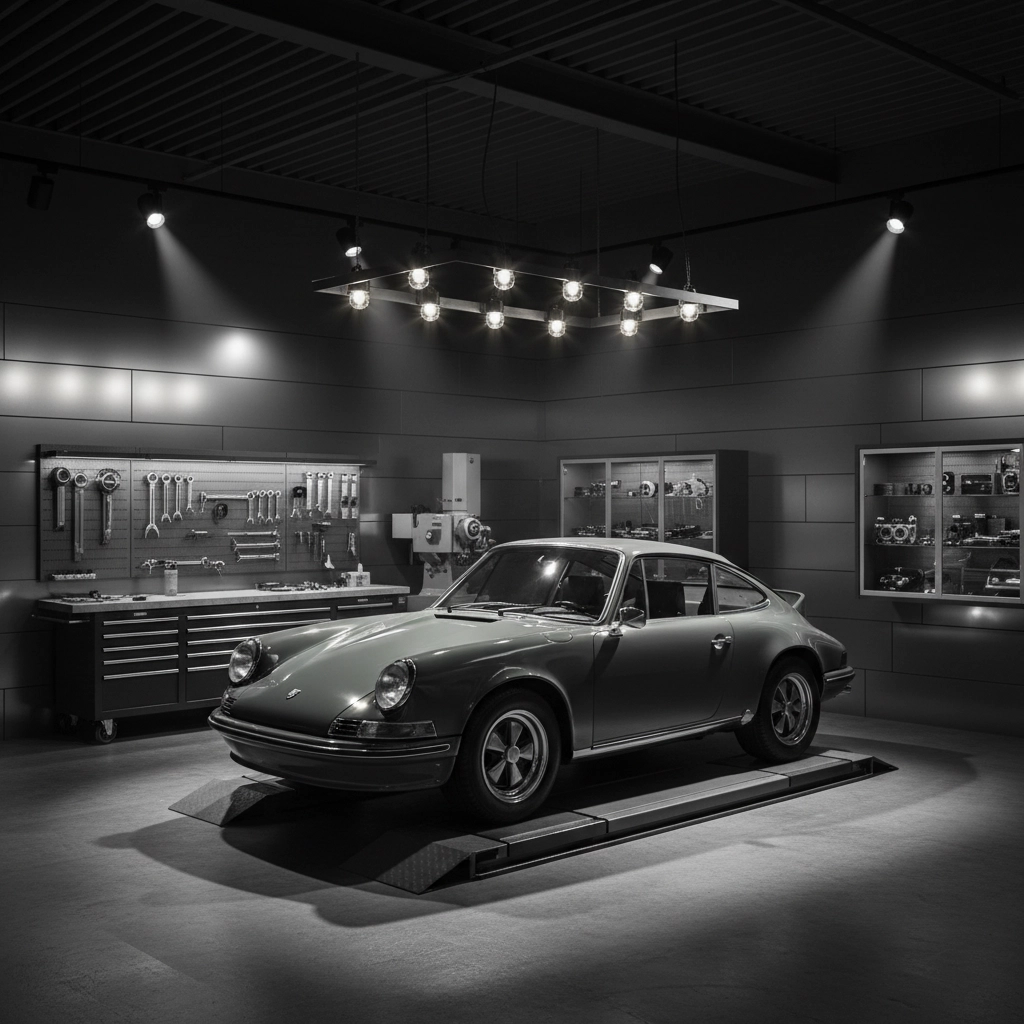
For athletes with substantial incomes, the ability to purchase an appreciating asset that can also be enjoyed recreationally makes financial sense. Unlike other luxury purchases that immediately depreciate, a carefully chosen classic supercar can actually strengthen a portfolio while providing years of driving pleasure.
Environmental consciousness is increasingly important to today's athletes, many of whom use their platforms to promote sustainability. While this might seem to contradict owning classic supercars, the reality is more nuanced.
A well-maintained classic car can actually have a lower environmental impact over its lifetime than constantly upgrading to new vehicles. The embedded energy in manufacturing a car is substantial, and keeping a classic vehicle on the road rather than scrapping it for something new can be the more environmentally responsible choice.
Additionally, the rise of sustainable fuels and electric conversions means classic supercar ownership can align with environmental values while preserving automotive heritage.
As the automotive industry transitions toward electrification and potentially autonomous driving, classic supercars represent a hedge against uncertain future regulations and market conditions. While new car sales may face increasing restrictions, classic vehicles often enjoy grandfather clauses and collector exemptions.
For sports professionals planning for post-career life, owning classic supercars ensures access to traditional driving experiences regardless of how the broader automotive market evolves. These vehicles become more valuable and special as they become rarer relative to an increasingly electrified and automated vehicle fleet.
The comeback of classic supercars among sports professionals isn't just about nostalgia or showing off: it's a sophisticated response to the unique financial, social, and lifestyle needs of high-earning athletes. These vehicles offer genuine investment potential, exclusive community access, authentic experiences, and hedging against industry uncertainty.
For sports professionals looking to diversify their automotive interests beyond the latest releases, classic supercars represent an opportunity to own a piece of automotive history while making a smart financial decision. Whether through traditional ownership, modern financing options, or flexible access programs, these legendary machines continue to prove their enduring appeal to those who understand true automotive excellence.


