As a professional athlete, your choice of vehicle says as much about your performance mindset as your training regimen. The debate between electric and petrol supercars has never been more relevant, especially when your career demands split-second decision-making and peak performance. Let's break down which powerplant technology aligns better with your athletic ambitions.
Electric supercars deliver something that resonates deeply with any athlete who understands the value of immediate response: instant torque. Unlike petrol engines that need to build up to their peak power band, electric motors unleash 100% of their torque from the moment you touch the accelerator pedal.
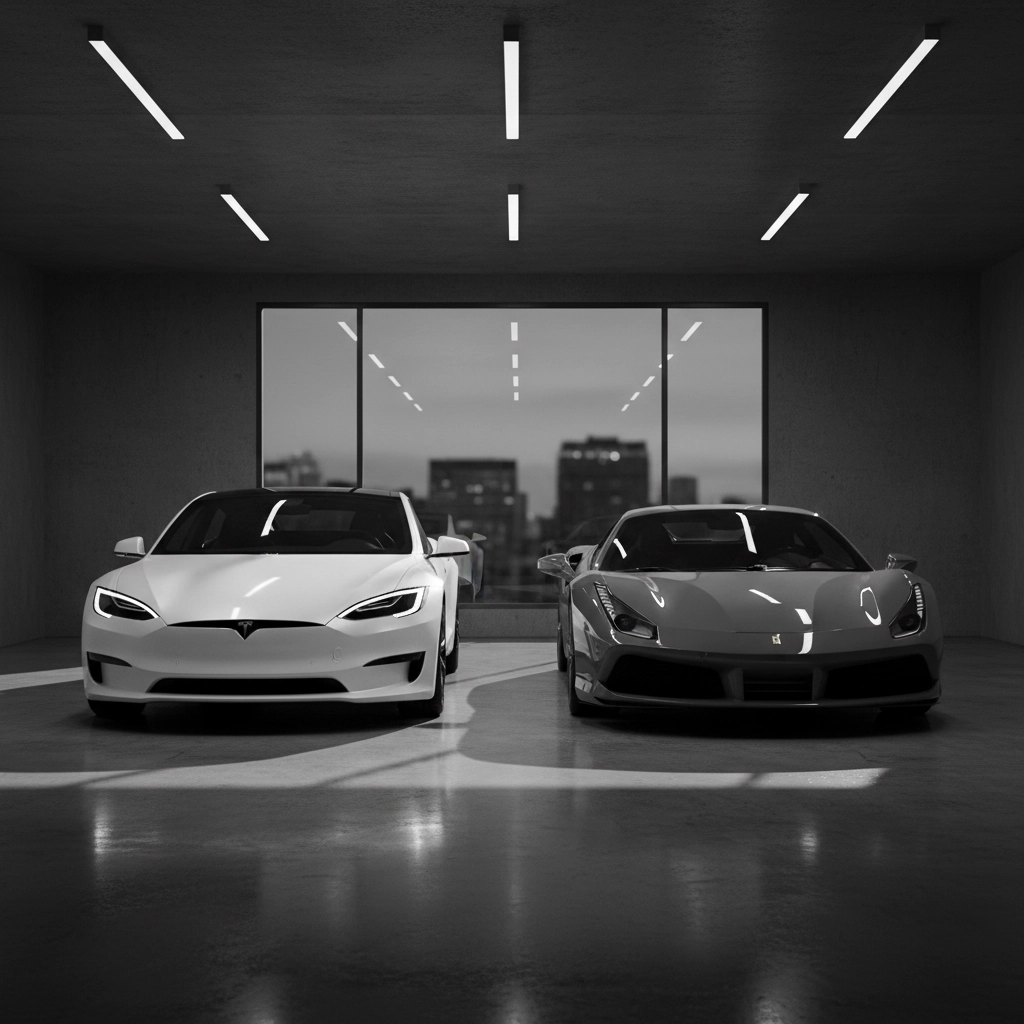
Think of it like your reaction time off the starting blocks. Electric supercars like the Tesla Model S Plaid can accelerate from 0-60 mph in just 2.1 seconds, delivering 1,050 lb-ft of torque instantly. Compare this to even the most impressive petrol supercars like the Ferrari 488 GTB, which produces 561 lb-ft of torque, but only at 3,000 RPM.
This instant power delivery creates a driving experience that mirrors the explosive movements athletes train for daily. There's no lag, no waiting for the engine to "wake up" – just pure, immediate acceleration that responds to your inputs with the same precision you demand from your own body.
Modern electric supercars feature sophisticated battery systems that can deliver massive amounts of power consistently. The Porsche Taycan's 93.4 kWh battery pack can unleash up to 625 kW (838 HP) of peak power while maintaining optimal weight distribution through its low-mounted position.
This low center of gravity effect is something any athlete can appreciate – it's like having a perfectly balanced stance that gives you better control and stability. The result is superior traction and handling characteristics that traditional supercars struggle to match.
While electric vehicles dominate the 0-60 mph sprint, petrol supercars still reign supreme in quarter-mile performance and sustained high-speed driving. Six of the 10 fastest cars over a quarter mile are petrol-powered, including legends like the Dodge Challenger SRT Demon and Bugatti Veyron Super Sport.
For athletes who appreciate the journey as much as the destination, petrol supercars offer an irreplaceable sensory experience. The crescendo of engine sound, the tactile feedback through gear changes, and the progressive power delivery create an emotional connection that purely electric vehicles struggle to replicate.
Traditional supercars excel in scenarios requiring sustained performance over longer periods. They typically achieve higher top speeds and maintain consistent performance during extended driving sessions without the range anxiety that can affect electric vehicles.
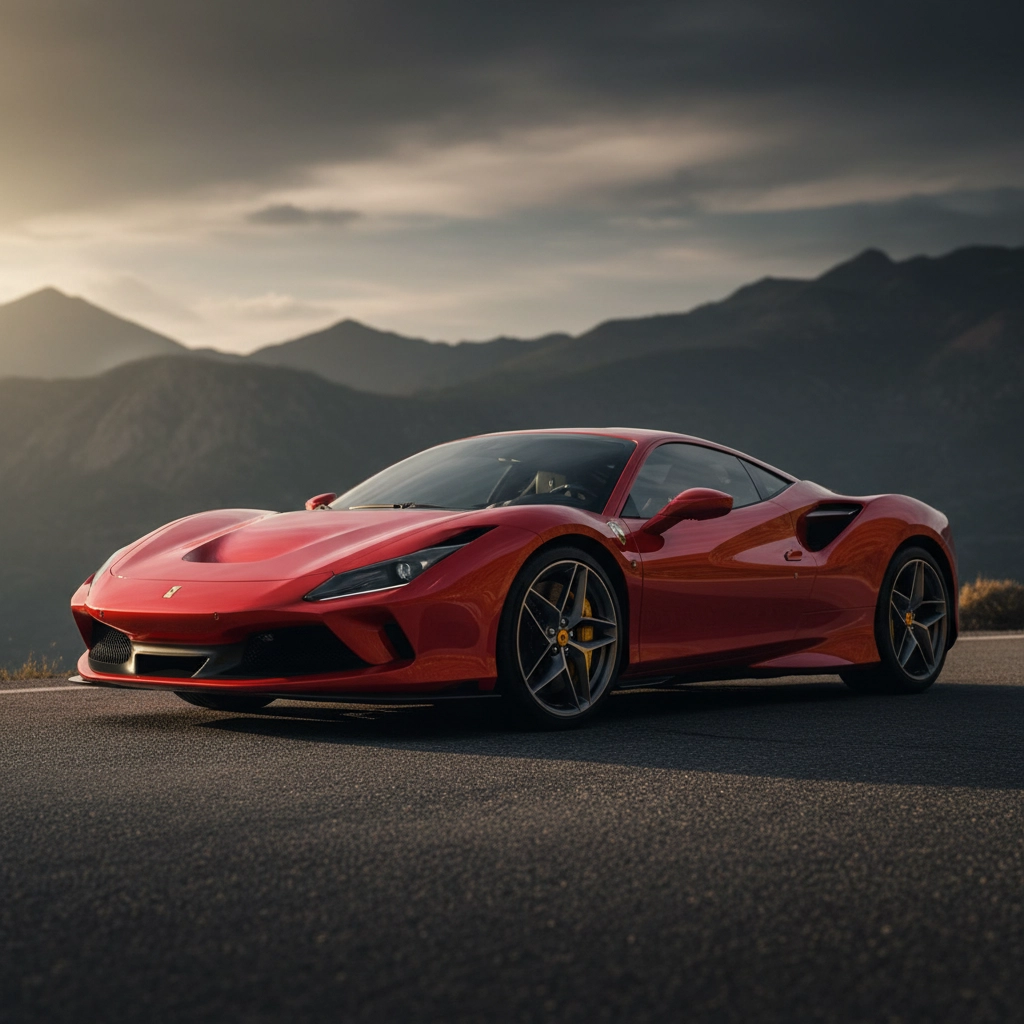
The Ferrari F8 Tributo in our showroom exemplifies this philosophy – delivering 710 horsepower from its twin-turbo V8, with a top speed of 211 mph and the unmistakable Ferrari exhaust note that announces your arrival long before you're visible.
| Performance Metric | Electric Supercars | Petrol Supercars |
|---|---|---|
| 0-60 mph | Tesla Model S Plaid: 2.1s | Ariel Atom: 2.3s |
| Quarter Mile | Limited by top speed restrictions | Dodge Demon: 9.65s |
| Torque Delivery | Instant 100% from 0 RPM | Peak at 3,000-5,000 RPM |
| Top Speed | Often electronically limited | Generally unrestricted |
| Consistency | Unaffected by altitude/temperature | Varies with conditions |
| Maintenance | Minimal moving parts | Regular servicing required |
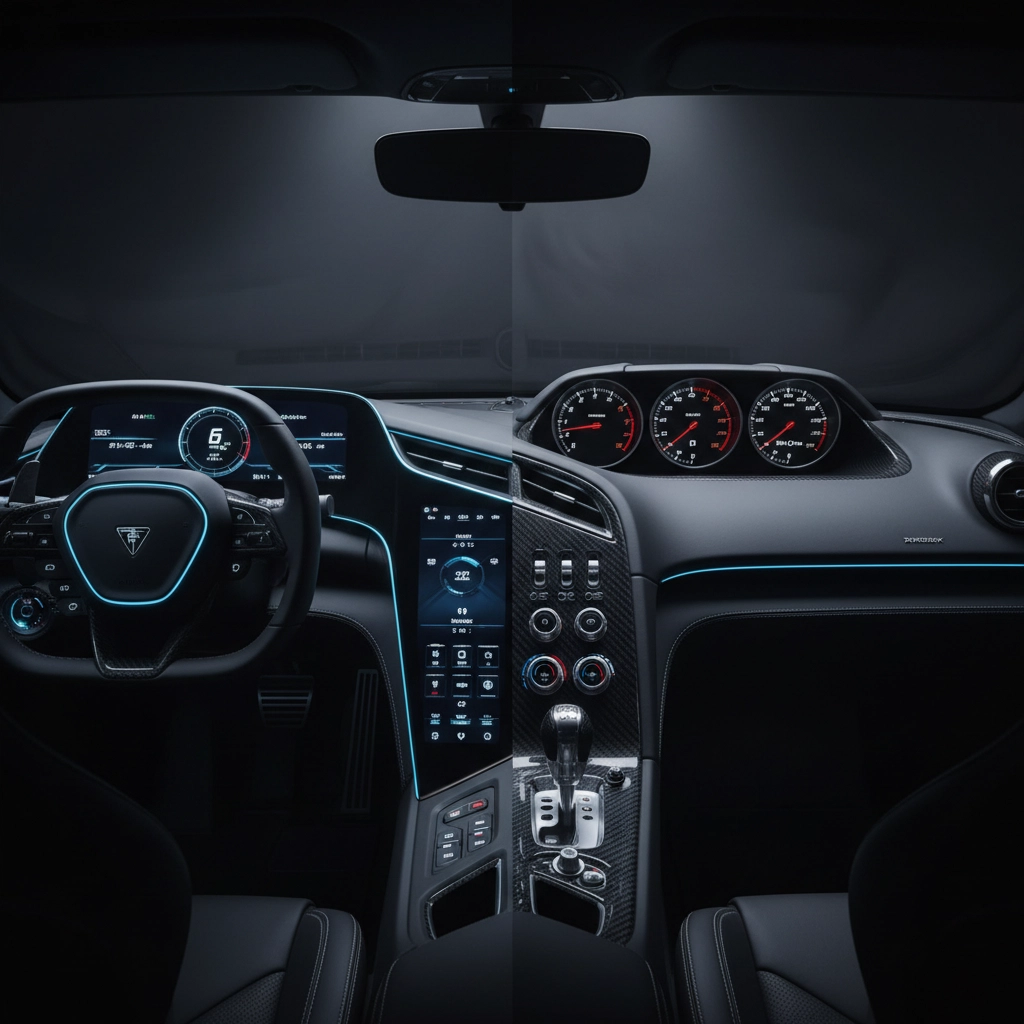
Your choice should also factor in practical considerations that affect your athletic career. Electric supercars offer lower operating costs – crucial when managing sponsorship budgets and endorsement deals. They also provide consistent performance regardless of weather conditions, which matters when you're traveling between training facilities or competition venues.
However, petrol supercars still offer superior range and refueling convenience, particularly important for athletes with unpredictable travel schedules. The Lamborghini Urus Performante combines supercar performance with the practicality needed for equipment transport and team travel.
Many luxury manufacturers are recognizing that the future isn't necessarily electric or petrol – it's both. Hybrid supercars like the McLaren P1, LaFerrari, and Porsche 918 Spyder combine the instant torque of electric motors with the high-RPM excitement of petrol engines.
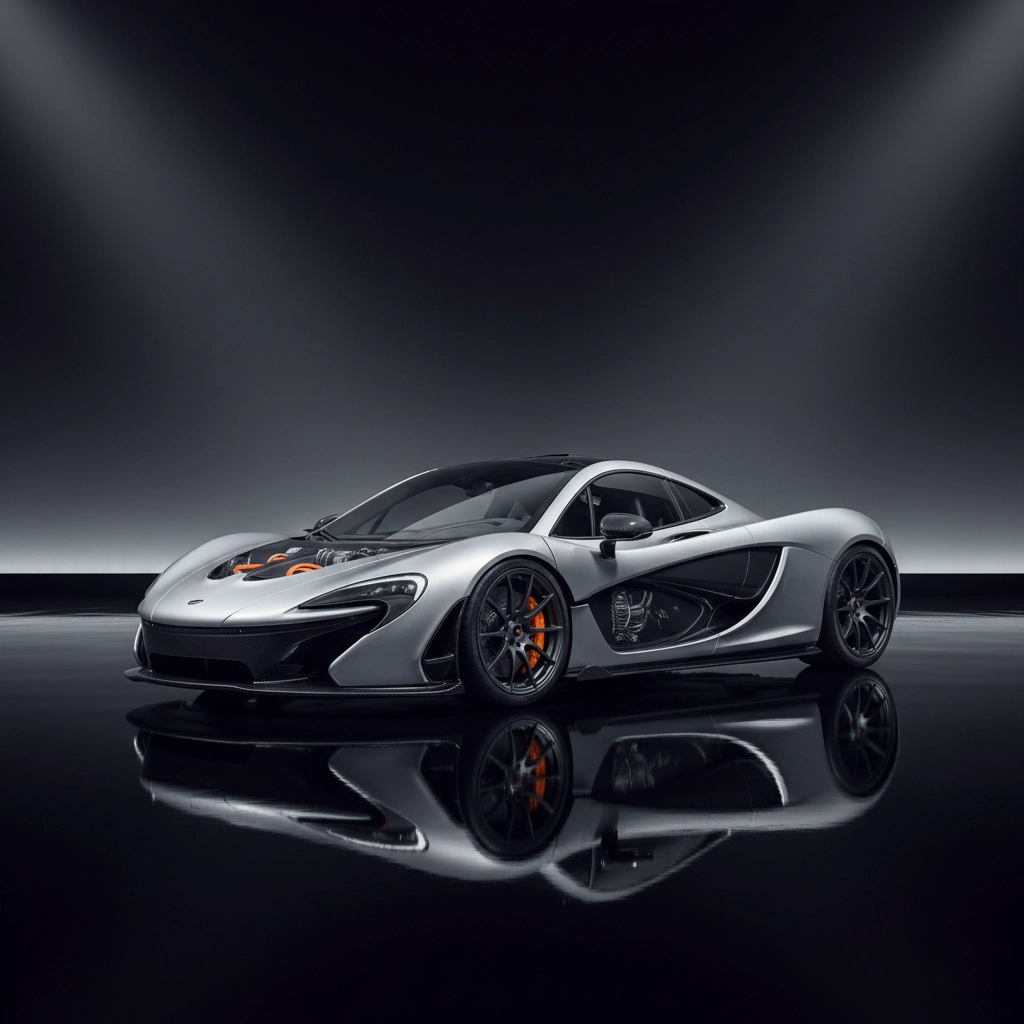
This technology mirrors the modern athlete's approach to training – using the best tools available to maximize performance rather than limiting yourself to traditional methods.
The choice between electric and petrol supercars ultimately depends on what aspects of performance matter most to your athletic mindset. If you thrive on instant response and cutting-edge technology, electric supercars align with your approach to peak performance. If you value the traditional racing experience and maximum speed capability, petrol supercars remain the benchmark.
At Premiership Automotive, we understand that athletes require vehicles that match their performance standards. Whether you're looking at the instant acceleration of electric powertrains or the sustained performance of traditional supercars, our VIP service ensures you get behind the wheel of exactly what your career demands.
The best supercar for your athletic career is the one that amplifies your competitive edge – whether that's through electric innovation or petrol tradition, the choice ultimately comes down to which technology makes you feel most ready to perform at your peak.


