The automotive world is experiencing its most dramatic transformation in over a century, and sports professionals are at the centre of this revolution. Electric supercars aren't just an environmental statement anymore, they're redefining what peak performance actually means. If you're a sports professional considering your next luxury vehicle move, understanding the electric supercar landscape isn't optional, it's essential.
The electric supercar market is experiencing growth that would make any sports agent jealous. We're talking about a projected expansion from £3.2 billion in 2023 to an estimated £15.2 billion by 2032, that's a compound annual growth rate of 25.8%. To put this in perspective, traditional supercars are only growing at 7.9% annually.
This isn't just market speculation. The momentum is real, and it's being driven by three key factors: genuine performance superiority, environmental consciousness, and technological innovation that's finally caught up with luxury expectations.
Let's address the elephant in the room: can electric supercars actually compete with traditional petrol-powered beasts? The answer isn't just yes: it's a resounding "they're already winning."
Take the Rimac Nevera, producing 1,914 horsepower and hitting 0-60 mph in just 1.85 seconds. That's not just fast: it's physics-defying fast. The instant torque delivery of electric motors means no waiting for turbos to spool up or gears to shift. It's immediate, brutal acceleration that traditional engines simply cannot match.
This performance advantage comes from the fundamental nature of electric powertrains. Unlike internal combustion engines that need to build up power through RPM ranges, electric motors deliver maximum torque from zero RPM. For sports professionals who understand the value of instant response: whether it's on the field or behind the wheel: this characteristic is game-changing.
If you're wondering whether electric supercars are just a trend, consider this: Ferrari delivered more hybrid models than traditional petrol cars in 2024. That's Ferrari: the brand that built its reputation on the sound of a screaming V12: embracing electrification because the performance speaks for itself.
Porsche's Taycan has already proven that electric can be thrilling. Lamborghini is developing electric successors to their iconic models. McLaren is investing heavily in electric technology. When the most prestigious names in automotive history are betting their futures on electric, it's not a gamble: it's recognition of where performance is heading.
For sports professionals, brand image matters. Being associated with cutting-edge technology and environmental responsibility isn't just good PR: it's becoming essential. Electric supercars offer the unique combination of uncompromising performance with genuine environmental benefits.
Modern electric supercars are manufactured using sustainable processes, recycled materials, and renewable energy sources. Companies like Rimac integrate recycled materials into vehicle interiors, while manufacturers like Lucid Motors emphasize renewable energy use throughout their production facilities. This isn't greenwashing: it's genuine innovation that aligns performance with responsibility.
The psychological shift is significant too. Driving an electric supercar sends a clear message: you're not just successful, you're forward-thinking. You understand that the future of performance isn't about being louder: it's about being smarter, faster, and more efficient.
Beyond the obvious performance and environmental benefits, electric supercars offer practical advantages that matter for sports professionals:
Lower Operating Costs: No oil changes, reduced brake wear thanks to regenerative braking, and significantly lower fuel costs. For professionals managing multiple vehicles or frequent travel, these savings add up quickly.
Reliability: Electric powertrains have fewer moving parts than traditional engines. This means fewer unexpected breakdowns and more predictable maintenance schedules: crucial when your schedule is demanding and unpredictable.
Technology Integration: Electric supercars lead in connectivity and autonomous features. Over-the-air updates, advanced driver assistance, and smartphone integration are standard, not optional extras.
From a financial standpoint, the rapid growth of the electric supercar market presents interesting opportunities. Early adoption of electric supercars by sports professionals isn't just about transportation: it's about being associated with the winning technology.
Traditional supercars may hold their value, but electric supercars are positioned for significant appreciation as the technology becomes mainstream and early models become collectible. The same way early Tesla Roadsters are now coveted, today's electric supercars could represent smart long-term investments.
For sports professionals considering vehicle financing options, the lower operating costs of electric supercars can make premium models more accessible than their traditional counterparts when total cost of ownership is considered.
If you're a sports professional, your vehicle choices reflect your personal brand. Electric supercars allow you to project innovation, environmental consciousness, and cutting-edge performance simultaneously. This alignment with future trends can be valuable for endorsement opportunities and personal brand building.
The transition period we're in now offers unique opportunities. Being an early adopter of electric supercar technology positions you as a forward-thinking professional who embraces innovation. This can be particularly valuable in sports where technology and performance optimization are increasingly important.
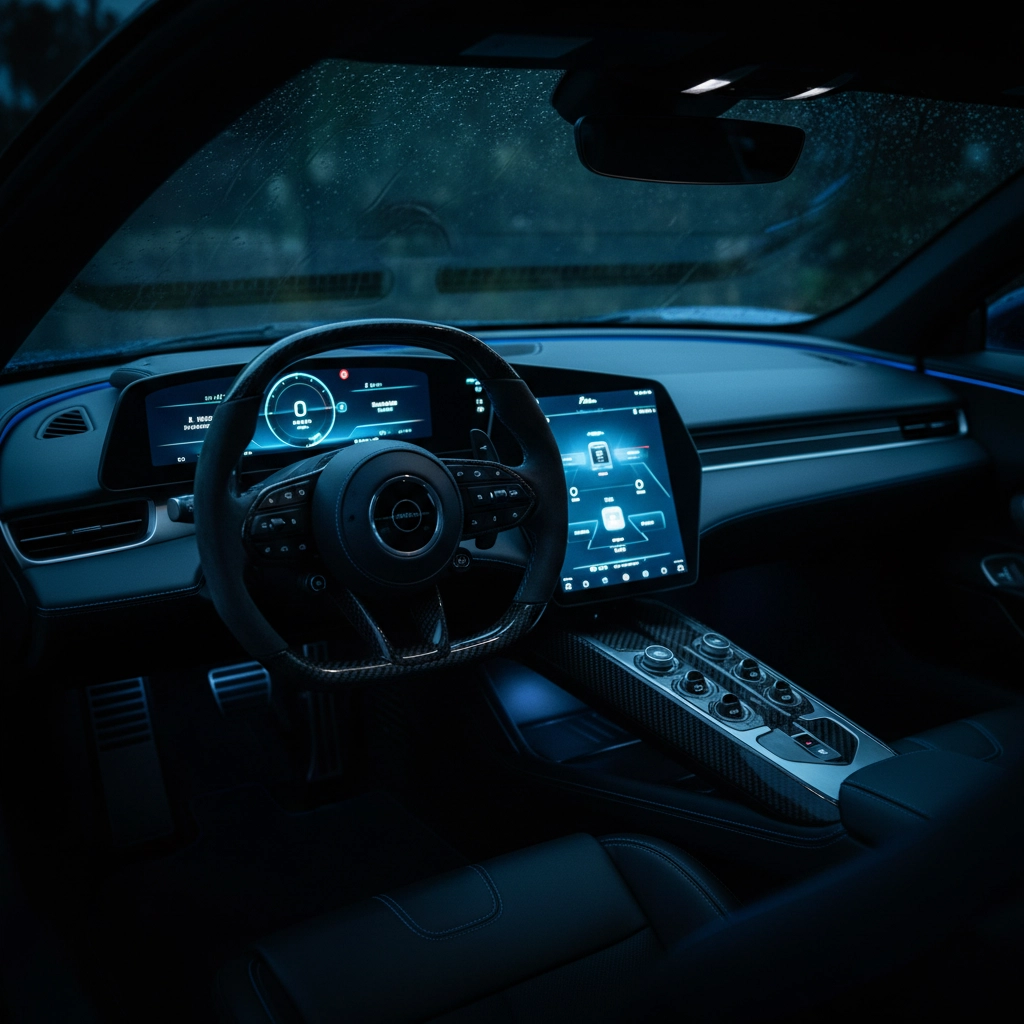
The shift to electric supercars doesn't have to be all-or-nothing. Many sports professionals are starting with hybrid supercars or maintaining a mixed fleet while the charging infrastructure continues to develop. The key is understanding the trajectory and positioning yourself accordingly.
For those ready to make the move, consider starting with established manufacturers who've proven their electric credentials. Models like the Porsche Taycan Turbo S or upcoming Ferrari electric models offer the perfect blend of heritage and innovation.
Range anxiety, once a legitimate concern, is becoming less relevant as newer models achieve 300+ mile ranges and rapid charging networks expand. For most sports professionals, the combination of home charging and strategic public charging makes electric supercars entirely practical for daily use.
Electric supercars represent more than just a shift in powertrain technology: they represent the future of automotive excellence. For sports professionals, understanding and embracing this transition isn't just about staying current; it's about aligning with the winning technology.
The market growth projections, performance capabilities, and industry commitment to electric development make one thing clear: electric supercars aren't the future anymore. They're the present, and the professionals who recognize this early will have the advantage.
Whether you're considering your first supercar or upgrading your current fleet, the electric option deserves serious consideration. The combination of unmatched performance, environmental responsibility, and technological sophistication makes electric supercars the smart choice for sports professionals who want to stay ahead of the game.
Ready to explore electric luxury options? Contact Premiership Automotive to discuss how electric supercars could fit into your professional lifestyle and performance requirements.


