Success in professional sports often brings the exciting opportunity to own luxury vehicles that were once just dreams. However, the unique lifestyle demands of athletes: intense training schedules, frequent travel, and the pressure to maintain a certain image: can lead to costly mistakes in luxury car ownership that extend far beyond the initial purchase price.
Whether you're a Premier League footballer, professional tennis player, or championship golfer, understanding these common pitfalls can save you thousands while ensuring your luxury vehicle remains a source of pride rather than stress.
The allure of owning a Ferrari, Lamborghini, or Bentley can be overwhelming, especially when you've worked years to reach a position where these purchases become possible. However, many sports professionals make the critical error of choosing vehicles based purely on brand recognition rather than considering how the car will fit into their lifestyle.
A midfielder who travels frequently might be better served by a luxury SUV with ample storage for equipment rather than a low-slung supercar that can't accommodate a golf bag. Similarly, a tennis player constantly moving between tournaments might prioritize comfort features over raw performance.
How to avoid it: Before stepping foot in a showroom, create a honest assessment of your driving needs. Consider factors like:
Research specific models within luxury brands, focusing on reliability ratings, real-world fuel economy, and features that align with your daily driving reality rather than just weekend thrills.
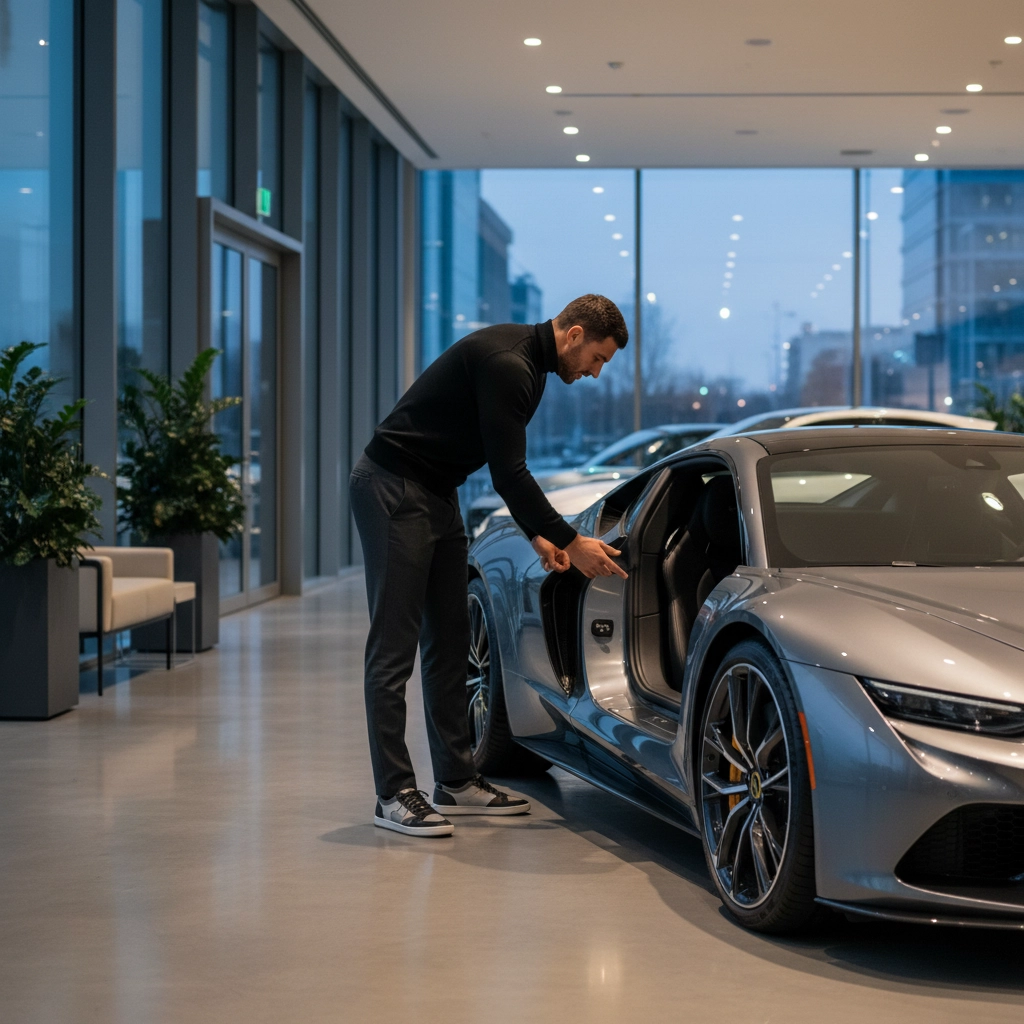
Professional athletes live by rigorous schedules that often leave little room for "mundane" tasks like car maintenance. The problem is that luxury vehicles are precision machines requiring consistent care to maintain their performance and value. Missing scheduled oil changes, brake inspections, or software updates can lead to catastrophically expensive repairs.
Unlike standard vehicles that might forgive occasional maintenance delays, luxury cars often have intricate systems that can fail spectacularly when neglected. A missed service interval on a high-performance engine can result in repair bills that exceed many people's annual salaries.
How to avoid it: Treat vehicle maintenance like you would your physical conditioning: as non-negotiable. Work with service centers that understand your schedule constraints and can offer:
Consider scheduling all annual maintenance during your off-season when your schedule is more predictable.
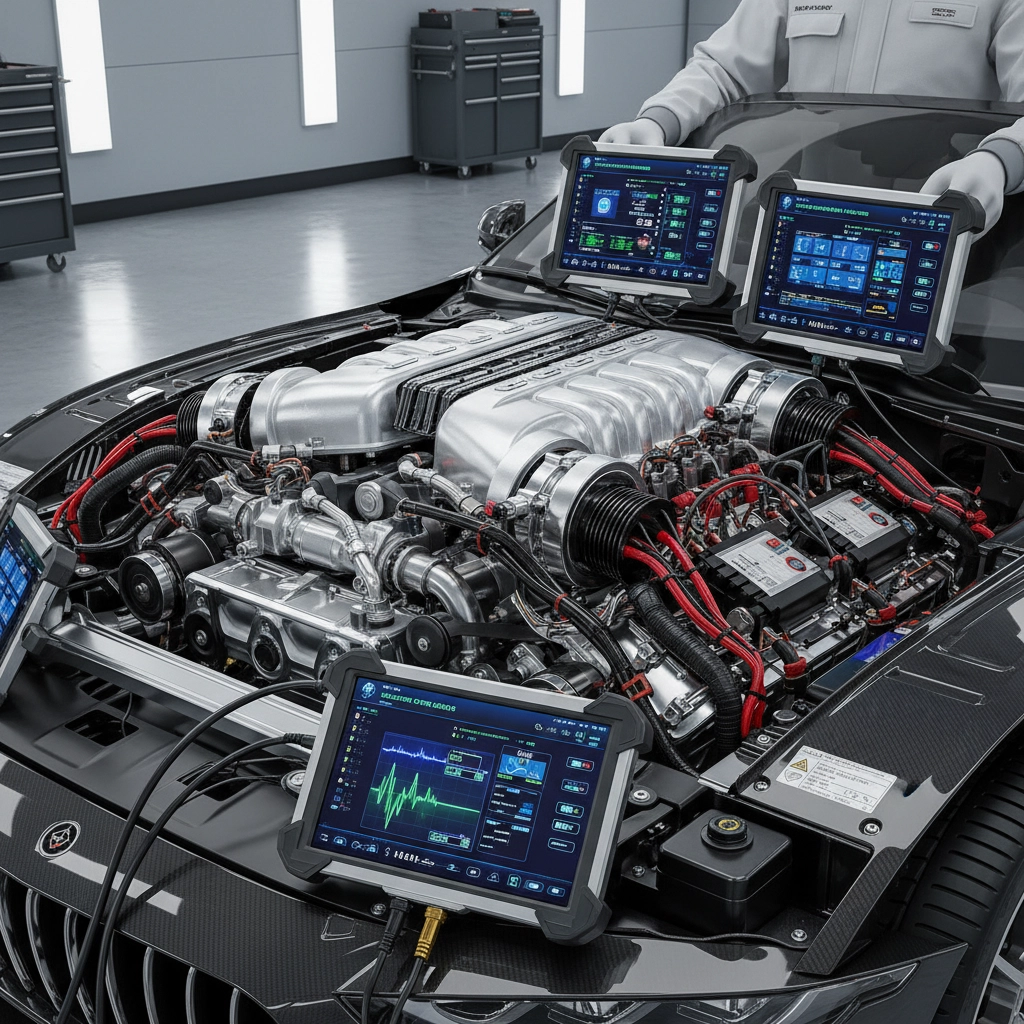
The temptation to use a convenient local garage for quick fixes is understandable, especially when you're traveling or need immediate service. However, luxury vehicles require specialized knowledge, tools, and genuine parts that general mechanics simply don't possess.
European luxury cars, in particular, often use proprietary diagnostic systems and require specific procedures that untrained technicians can inadvertently damage. What starts as a simple repair can quickly become an expensive disaster when the wrong approach is used.
How to avoid it: Invest in building relationships with certified specialists for your vehicle's brand, even if it means traveling further or paying premium rates. The long-term benefits include:
Sports professionals often have the financial means to extensively customize their luxury vehicles, and manufacturers are happy to accommodate with endless options lists. However, highly personalized modifications can make your car nearly impossible to sell when it's time to upgrade.
Custom paint schemes featuring team colors, personalized interior embroidery, or extreme performance modifications might reflect your personality perfectly but will likely alienate future buyers who don't share your specific tastes or team allegiances.
How to avoid it: Focus customization efforts on features that enhance functionality and broad appeal:
Avoid highly personal touches like custom graphics, unusual color combinations, or modifications that can't be easily reversed.
The competitive drive that makes athletes successful can unfortunately translate into aggressive driving habits that are both dangerous and expensive. Luxury sports cars are capable of incredible performance, but constantly pushing these limits wears components faster and increases the risk of costly accidents or traffic violations.
Many sports professionals find themselves dealing with expensive speeding tickets, increased insurance premiums, or worse: license suspensions that can impact their ability to reach training facilities or fulfill contractual obligations.
How to avoid it: Channel your competitive instincts appropriately by:
Remember that your vehicle is a tool for transportation, not a extension of your competitive arena.

Time constraints often lead sports professionals to make hasty purchasing decisions without adequate market research. The excitement of being able to afford a dream car can override careful consideration of whether you're paying fair market value.
Luxury car pricing can vary significantly between dealers, and factors like model year changes, limited editions, or regional availability can dramatically affect values. Without proper research, you might overpay substantially for a vehicle that's widely available elsewhere.
How to avoid it: Despite busy schedules, invest time in thorough market research:
Perhaps the most expensive mistake is focusing solely on the purchase price while ignoring ongoing ownership costs. Luxury vehicles require premium fuel, expensive insurance, specialized maintenance, and often depreciate faster than standard vehicles.
Many sports professionals are shocked when they receive their first insurance bill or discover that routine maintenance costs more than their previous car's purchase price. These ongoing expenses can quickly transform an exciting purchase into a financial burden.
How to avoid it: Calculate comprehensive ownership costs before purchasing:
Consider these factors as seriously as the purchase price when making your decision.
Successful luxury car ownership as a sports professional requires treating your vehicle as the significant investment it represents. The key is balancing your desires with practical considerations, ensuring that your car enhances rather than complicates your life.
By avoiding these common mistakes, you'll not only save money but also enjoy a more satisfying ownership experience. Remember that the goal isn't just to own a luxury car: it's to own the right luxury car for your specific situation and to maintain it properly throughout your ownership period.
Whether you're considering your first luxury vehicle or looking to upgrade your current one, taking time to make informed decisions will pay dividends in both financial terms and peace of mind. After all, your success on the field should translate into smart decisions off it as well.


